Table of Contents
- The Reality of Rapid Weight Loss
- What is "Ozempic Face"? (And Why Fillers Aren't the Answer)
- The "Ozempic Body": Deflation and the Abdominal Apron
- Timing is Everything: When is it Safe to Have Surgery?
- Your Health Journey, Completed
- What to Expect: A Closer Look at the Procedures
- Frequently Asked Questions (FAQ)
The Reality of Rapid Weight Loss
Losing 40, 60, or even 100 pounds with the help of GLP-1 medications like Ozempic, Wegovy, or Mounjaro is a massive health victory. Reaching your target weight reduces your risk of chronic diseases, boosts your energy, and completely transforms your life. This achievement should absolutely be celebrated.
However, looking in the mirror after such rapid, massive weight loss often reveals an unexpected reality. While the fat melts away quickly, the skin—especially in patients over 35—simply cannot shrink fast enough to keep up.
Think of it like a deflated balloon. Once the volume is gone, the outer layer loses its tension, leading to severe skin laxity. This has given rise to two major phenomena in the aesthetic world: "Ozempic Face" and "Ozempic Body." Diet, exercise, and skin-tightening creams cannot reverse this. The final step in your weight loss journey requires structural restoration.
Here is why procedures like a Facelift, Neck Lift, and Tummy Tuck are often necessary after rapid weight loss, and how Dr. Celal Alioglu helps patients finally feel at home in their new bodies.
1. What is "Ozempic Face"? (And Why Fillers Aren't the Answer)
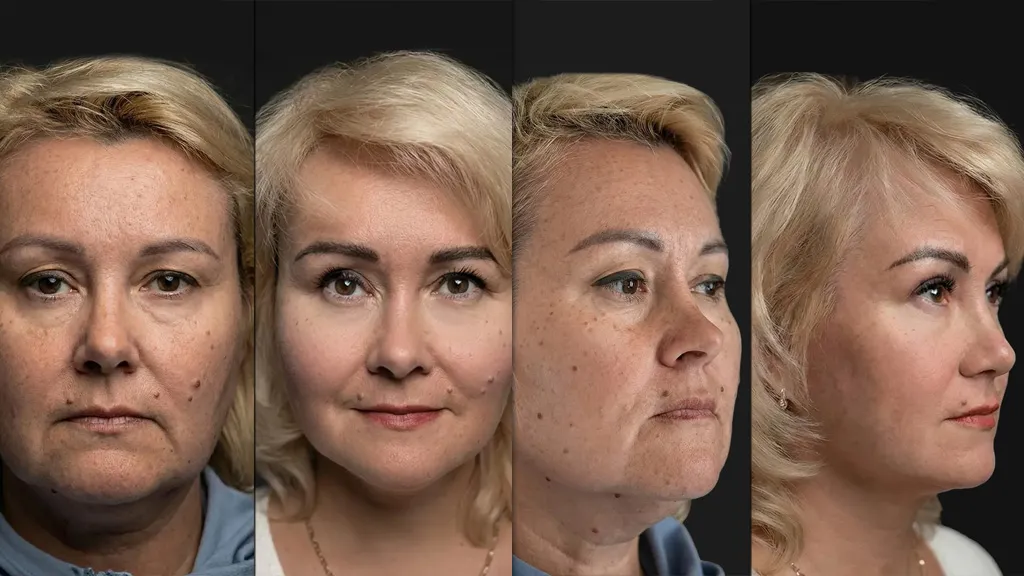
Our facial fat pads are the structural cushions that keep us looking youthful, plump, and vibrant. When you lose a significant amount of weight rapidly, these fat pads are among the first to deplete.
- The Problem: Without that underlying fat, the facial skin collapses. Cheeks look hollow, the jawline loses its sharp definition, and the skin under the chin begins to droop into what is commonly called a "turkey neck." Many patients report that while their bodies look healthier, their faces look tired, gaunt, and 10 years older.
- The "Filler Trap": A common mistake is trying to fix severe skin laxity with dermal fillers. While fillers are great for minor volume loss, trying to inflate severely sagging skin with injectables results in an unnatural, puffy, and distorted look often referred to as "pillow face."
- The Surgical Solution (Deep Plane Facelift and Neck Lift): To truly restore a youthful appearance, the excess, stretched-out skin must be removed. Dr. Celal Alioglu specializes in the Deep Plane Facelift, which goes beneath the surface to lift the underlying muscle structure (the SMAS layer). Combined with a Neck Lift to remove excess banding, this approach creates a natural, refreshed look without appearing "pulled." Furthermore, Dr. Alioglu often uses Fat Grafting (transferring a small amount of your own fat) to naturally restore the lost volume in your cheeks and under-eye hollows.
2. The "Ozempic Body": Deflation and the Abdominal Apron
The midsection is typically the area most affected by massive weight loss. Even if you have reached your ideal BMI and exercise daily, the stretched skin will not snap back.
- The Problem: Patients are often left with a heavy, overhanging fold of loose skin around the lower abdomen, known as a pannus. This is not just a cosmetic issue; the rubbing of loose skin can cause rashes, discomfort during exercise, and a heavy psychological burden that prevents you from fully enjoying your weight loss success. Additionally, the underlying abdominal muscles have usually been stretched and separated (diastasis recti).
- The Surgical Solution (Tummy Tuck / Abdominoplasty): A Tummy Tuck is not a weight-loss surgery; it is a restorative procedure. During an abdominoplasty, Dr. Celal Alioglu does two critical things:
- Skin Removal: He removes the excess, hanging skin and repositions the belly button to a natural, youthful height.
- Muscle Repair: He acts like an internal tailor, using permanent sutures to bring the separated abdominal muscles back together. This creates an "internal corset," flattening the stomach and strengthening your core.
3. Timing is Everything: When is it Safe to Have Surgery?
If you are currently taking GLP-1 medications and planning for plastic surgery, timing and safety are paramount. Dr. Celal Alioglu emphasizes a strict protocol for post-weight-loss patients:
- Weight Stabilization: You should not rush into surgery while you are still actively losing weight. You need to reach your target weight and maintain it steadily for at least 3 to 6 months. Operating too early can result in further sagging if you continue to lose weight after the procedure.
- Anesthesia Safety (The GLP-1 Rule): Medications like Ozempic work by delaying gastric emptying (keeping food in your stomach longer). This poses a severe aspiration risk under general anesthesia. You will be required to pause your GLP-1 medication prior to your surgery, following a specific timeline guided by your anesthesiologist and Dr. Alioglu.
Your Health Journey, Completed
Losing the weight was about taking back your health and adding years to your life. Plastic surgery is about taking back your confidence and ensuring you can comfortably live in the body you worked so hard to achieve.
Procedures like a Facelift, Neck Lift, and Abdominoplasty are not "vanity" surgeries for weight-loss patients—they are the crucial final phase of reconstruction.
If you have reached your weight loss goals but are struggling with the physical reminders of your past weight, you don't have to settle. Contact Dr. Celal Alioglu’s clinic today to schedule an online consultation and discuss your customized surgical restoration plan.
What to Expect: A Closer Look at the Procedures
Understanding the surgical process can help alleviate anxiety. Based on Dr. Celal Alioglu’s clinical protocols, here is what you can expect from these restorative surgeries:
Face and Neck Lift
- The Surgical Approach: Dr. Alioglu's facelift surgery is not merely about pulling the skin tight. The primary goal is to reposition the deeper facial tissues back to their anatomically correct locations and gently redrape the skin in harmony with this new contour. For the neck, the underlying muscles (platysma) are reshaped, loosened tissues are tightened, and the jaw-neck angle is redefined to create a natural, balanced contour.
- Duration & Stay: The surgery is performed under general anesthesia and typically takes about 4 hours. It requires a 2-day hospital stay.
- Scars & Recovery: Incisions are strategically hidden in front of the ear, behind the ear, and within the hairline, fading significantly over time. Swelling and bruising are normal but mostly subside within 2 to 3 weeks. Patients can usually return to their social lives within 10 to 14 days, though the face will continue to fully settle over several months.
Tummy Tuck (Abdominoplasty)
- The Surgical Approach: Often combined with liposuction to shape the waist, an abdominoplasty primarily focuses on removing excess sagging skin and correcting looseness in the anterior abdominal wall.
- Duration & Stay: The operation takes about 3 hours under general anesthesia and also involves a 2-day stay in the hospital.
- Scars & Recovery: The incision is made low along the bikini line so the scar can be easily concealed under underwear or swimwear. You can generally return to your daily routines in about 10 days. Post-surgery, you will wear a supportive corset for 4 weeks to minimize edema and fluid accumulation. It is highly recommended to avoid physically demanding activities and heavy lifting while the abdominal muscles heal.
Frequently Asked Questions (FAQ)
1- What does a Face and Neck Lift surgery entail?
Facelift surgery is not merely about tightening the skin; the goal is to reposition the deeper facial tissues to their anatomically correct locations and redrape the skin in harmony. Neck lift surgery reshapes the neck muscles (platysma), tightens loosened tissues, and redefines the jaw-neck angle.
2- How long does Face and Neck Lift recovery take?
The surgery takes about 4 hours under general anesthesia with a 2-day hospital stay. Most swelling and bruising subside within 2-3 weeks, and patients usually return to social life in 10-14 days. Full settling of the face takes several months.
3- Will there be visible scars after a Facelift?
Incisions are typically hidden in front of the ear, behind the ear, and within the hairline. When placed correctly, scars fade over time and become less noticeable.
4- What is involved in an Abdominoplasty (Tummy Tuck)?
Tummy tuck surgery removes excess sagging skin in the abdominal area. It corrects looseness in the anterior abdominal wall (muscle repair) and is often combined with liposuction for shaping. It does not intervene with intra-abdominal fat.
5- What is the recovery process for a Tummy Tuck?
The surgery takes about 3 hours under general anesthesia with a 2-day hospital stay. Patients generally return to daily activities in 10 days. A corset must be worn for 4 weeks post-surgery to minimize edema, and physically demanding activities should be avoided initially.
6- Are the results permanent?
Yes, the structural changes from these surgeries are long-lasting. However, natural aging continues, and significant future weight fluctuations can impact the results of a tummy tuck.