Revision Rhinoplasty Guide 2026: The Path to Your Final Result
Revision rhinoplasty is a complex surgical procedure designed to correct aesthetic or functional issues remaining from previous nose surgeries. In this 2026 guide, we explore why secondary surgery requires specialized expertise, the role of advanced techniques like rib grafting, and how to achieve the harmonious result you’ve been seeking after failed operations.
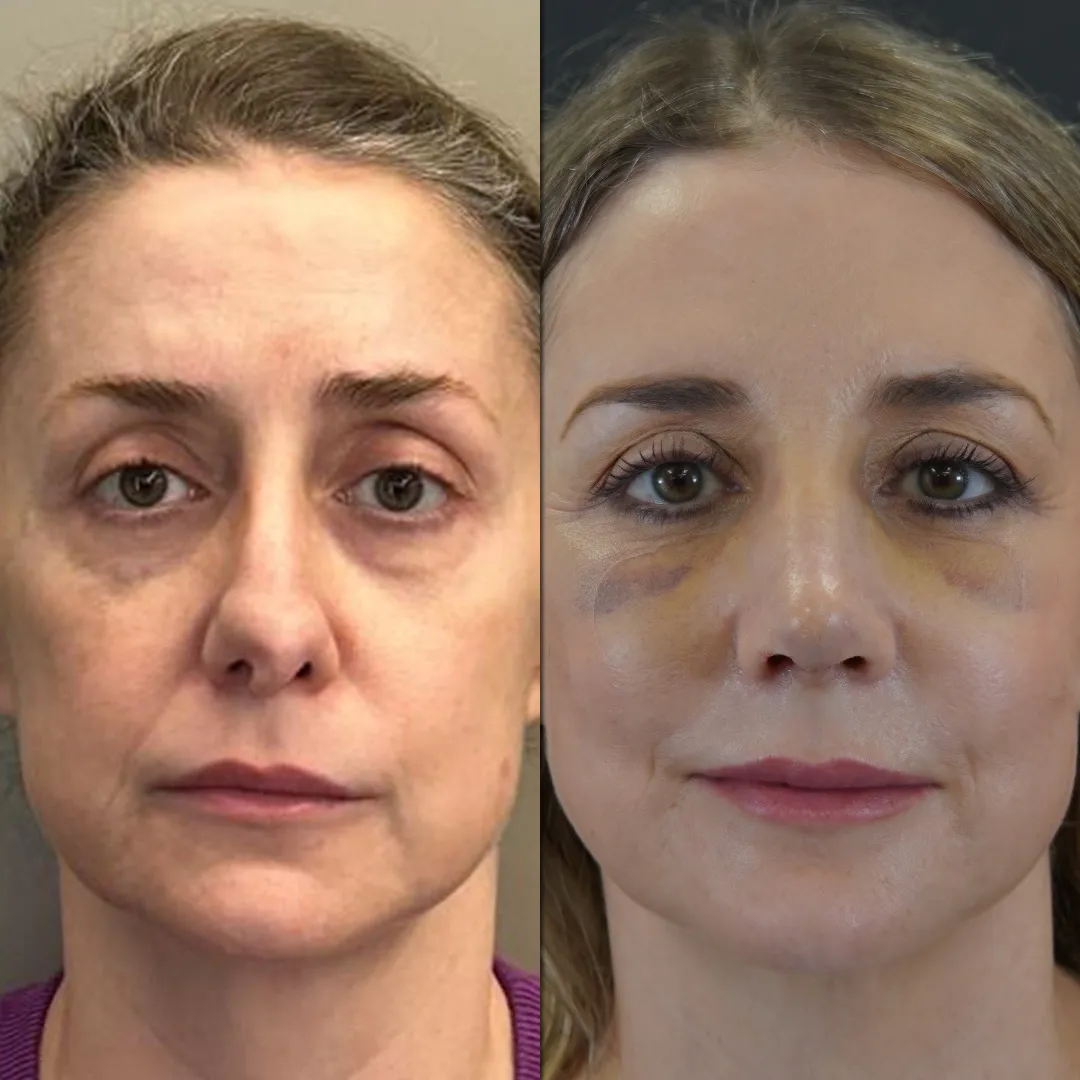
Revision rhinoplasty, also known as secondary or tertiary rhinoplasty, is a procedure performed to repair the results of one or more unsuccessful previous nose jobs. Whether the goal is to fix a "collapsed" bridge, a "piggy" tip, or chronic breathing difficulties, Revision Rhinoplasty focuses on restoring both structural integrity and facial balance.
Unlike a primary nose job, revision surgery involves working with scar tissue, altered anatomy, and often a lack of remaining natural cartilage. The surgeon must be an expert in structural reconstruction to navigate these challenges safely. In our clinic, we specialize in cases where the initial surgery failed to meet the patient’s aesthetic goals or compromised the nasal function.
We frequently treat patients from all over the world who have undergone 2, 3, or even 4 previous operations. Correcting multiple failed surgeries requires a bespoke approach. By focusing on rebuilding the nasal framework from the ground up, we help our patients end the cycle of dissatisfaction and achieve a result that finally feels like "them."
While not always necessary, a rib graft is often the gold standard for revision cases where the septal cartilage has been exhausted. Using the patient's own cartilage provides a strong, living foundation that integrates perfectly with the body. This technique allows for the reconstruction of a collapsed bridge or a drooping tip with significantly lower risks of infection or displacement compared to synthetic materials.
In many past surgeries, silicone implants were used to provide height to the nose. However, these can lead to long-term issues like thinning skin, infection, or a "fake" appearance. A key part of our revision practice involves safely taking out silicone implants and replacing them with natural tissue to ensure a softer, more harmonious, and safer long-term outcome.
Ideal candidates are individuals who are unhappy with the appearance or function of their nose following a previous surgery. It is crucial that the nose has fully healed from the last operation—typically requiring a wait of at least 12 months—before proceeding with a revision to ensure the best possible surgical conditions.
Revision rhinoplasty is performed under general anesthesia and usually takes between 3 to 5 hours, depending on the complexity. Because we are often rebuilding the nose, this surgery requires more time and precision than a primary case. We utilize advanced imaging and meticulous structural techniques to ensure the new framework is both beautiful and functional.
The recovery for revision rhinoplasty can be slightly longer due to existing scar tissue. While the initial swelling subsides within the first 2 weeks, the "settling" process continues for up to 18 months. Patients are advised to follow strict aftercare protocols, including avoiding trauma and direct sun exposure, to protect the newly reconstructed framework.
Revision surgery is generally more expensive than primary rhinoplasty. This fee reflects the increased surgical time, the use of specialized grafts (like rib or ear cartilage), and the high level of expertise required to fix complex anatomical issues. Investing in an expert revision specialist means paying for the peace of mind that this will be the final time you need surgery.
The goal of a successful revision is a nose that doesn't look "operated on." By focusing on structural stability, our results are designed to last a lifetime. Patients report not only a boost in self-confidence but also a significant improvement in breathing and quality of life.

Dr. Celal Alioğlu is a European board-certified specialist in plastic, reconstructive, and aesthetic surgery. Based in Istanbul, he combines international surgical standards with a refined, patient-centered approach for both local and international patients.
With memberships in leading global medical organizations and a commitment to continuous professional development, Dr. Alioğlu provides safe, ethical, and personalized surgical care.
More About Dr. Celal +